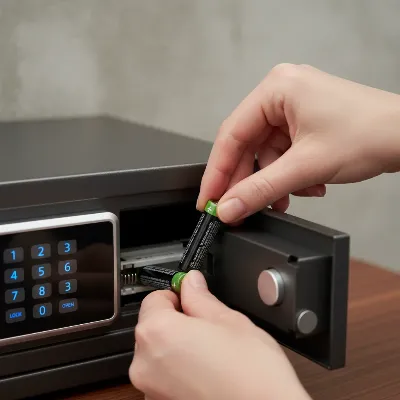
Securing your valuables is a paramount concern for many homeowners, and while a high-quality safe box provides an excellent first line of defense, its true potential is often unlocked through strategic concealment. Simply owning a robust safe isn’t enough; the ability to hide a safe box effectively, especially within a closet, transforms it into a virtually undetectable vault. This comprehensive guide, crafted from years of expertise, will walk you through the professional techniques and ingenious methods to camouflage your safe, ensuring your precious items remain unseen and untouched. Discover how to turn your everyday closet into a secure haven for your most prized possessions.
Why Hiding Your Safe Box Matters for Ultimate Security
Hiding your safe box is not just about secrecy; it’s a critical component of a multi-layered home security strategy. A hidden safe creates an additional barrier that deters thieves and significantly increases the time and effort required to locate and access your valuables, often leading them to abandon their efforts entirely.
Deterring Opportunistic Thieves
|
Our Picks for the Best Safe Box in 2026
As an Amazon Associate I earn from qualifying purchases.
|
||
| Num | Product | Action |
|---|---|---|
| 1 | SentrySafe Fireproof Safe Box with Key Lock, Chest Safe with Carrying Handle to Secure Money, Jewelry, Documents, 0.25 Cubic Feet, 6.3 x 15.3 x 12.1 Inches, 1160 |

|
| 2 | KYODOLED Cash Box with Combination Lock Safe Metal Money Box with Money Tray for Security Lock Box 7.87"x 6.30"x 3.35" Black |
|
| 3 | SentrySafe Fireproof Safe with Key Lock, Chest Lock Box for Home or Travel Secures Money, Documents, 0.18 Cubic Feet, 6.1 x 14.3 x 11.2 Inches, 1210 |
|
| 4 | Yuanshikj Safe Box with Key Lock, Steel Security Lock Box, 0.23 Cubic Feet, 9.1" W x 6.7" D x 6.7" H, Small Hidden Safe for Home Office Cash Jewelry Storage (BLACK) |
|
| 5 | DocSafe 5200°F Document Organizer with Lock, Upgraded Heat Insulated Fireproof&Water-Resistant Box 8 Layers File Organizer, Portable Home Travel Safe Storage for Important Documents and More |
|
| 6 | Amazon Basics Steel Home Security Safe Box with Electronic Keypad Lock for Documents, Jewelry, Valuables, 1.8 Cubic Feet, Black, 13.8"W x 13"D x 19.7"H |
|
| 7 | Amazon Basics Steel Security Safe and Lock Box with Electronic Keypad, Secure Documents Storage, Black, 0.5 Cubic Feet, 13.8" W x 9.8" D x 9.8" H, Removable Shelf |
|
| 8 | Amazon Basics Steel Security Safe and Lock Box with Digital Keypad, Easy to Use, Removable Shelf, Secure Cash, Jewelry, Documents, Black, 1.2 Cubic Feet, 16.9-x-14.6-x-10.6-inches (WxDxH) |
|
| 9 | KYODOLED Fireproof Document Box with Key Lock, Small Lock Boxes for Personal Items, Fire and Water Resistance, Fireproof Safe Box for Documents, Jewelry, Passport, Cash, 12.6'' x 8.3'' x 4.3'' Black |
|
| 10 | SentrySafe Black Fireproof and Waterproof Safe, File Folder and Document Box with Key Lock, Ex. 14.3 x 15.5 x 13.5 inches, HD4100 |
|
Many burglaries are crimes of opportunity, where intruders seek quick and easy targets. If a thief cannot readily spot a safe, they are less likely to spend valuable time searching, especially under pressure. An expertly hidden safe box bypasses the initial search, making your home a less attractive target.
Protecting Against Targeted Break-ins
While most break-ins are opportunistic, some criminals may specifically target homes believed to contain valuable items or safes. For these more determined intruders, a well-concealed safe prevents them from easily fulfilling their objective, forcing them to confront more layers of security or move on.
Maintaining Privacy and Peace of Mind
Beyond theft, hiding your safe box protects your privacy, keeping personal or sensitive items out of sight from guests, service providers, or even family members who might stumble upon them. This discretion provides invaluable peace of mind, knowing your most confidential belongings are secured in a private, undisclosed location.
Selecting the Ideal Safe Box for Closet Concealment
Choosing the right safe box is the foundational step for effective concealment. Its features, size, and design will significantly influence how successfully you can integrate it into your closet without raising suspicion.
Considering Size, Weight, and Type
For closet concealment, a compact or wall-mounted safe is often ideal. While large safes offer greater capacity and may be bolted down, they are harder to hide discreetly in a typical closet setting. Smaller safes, including diversion safes disguised as common household items, blend more easily into cluttered environments. Floor safes, embedded directly into the subfloor and covered, offer ultimate concealment but require professional installation.
Locking Mechanisms: Keys, Combinations, and Biometrics
The type of lock on your safe box impacts both security and accessibility. Traditional key locks are reliable but require you to hide the key, which can be a challenge. Combination locks eliminate the key problem but can be slow to operate. Biometric safes (fingerprint access) offer quick, keyless entry, which is excellent for items you need to access frequently, blending convenience with high security.
Essential Features: Fire and Water Resistance
While concealment adds a layer of theft protection, consider safes with fire and water resistance ratings. These features protect your valuables not just from intruders, but also from environmental hazards. Even if hidden perfectly, a safe box without these protections leaves contents vulnerable to fire or flood damage.
Ingenious Hiding Spots Within Your Closet
The closet offers a multitude of possibilities for a hidden safe box, from simple disguises to more elaborate, custom installations. The key is to think like a burglar and avoid obvious spots.
Behind a Custom False Back Panel
A false back panel is a classic and highly effective method. This involves building a shallow wall behind existing shelves or hanging clothes, creating a cavity for your safe. The panel can be designed to match the surrounding closet interior, often with a subtle magnetic latch or a hidden hinge, making it virtually undetectable to the untrained eye.
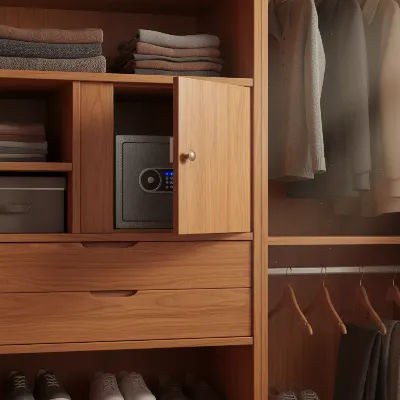 A small safe box perfectly hidden behind a custom false back panel in a wooden closet.
Beneath a Cleverly Integrated False Floor
For those willing to undertake a more involved project, installing a false floor within a section of your closet can create an impeccable hiding spot. A small, shallow floor safe can be embedded into the subfloor, with a custom-made, removable floor panel placed over it. This panel can be covered by carpet, a rug, or even a stack of shoeboxes, making it almost impossible to detect. This method offers both camouflage and physical security.
Seamlessly Blending with Custom Cabinetry and Drawers
Integrating your safe box into custom-built closet cabinetry or a deep drawer system provides both security and a streamlined look. A drawer safe can be installed within an existing dresser drawer, secured with bolts, and then covered with clothing or other items. Alternatively, a small safe can be built into the base of a custom wardrobe, disguised as a normal cabinet door or a part of the structural base.
Utilizing Everyday Items for Simple Disguise
Sometimes, the simplest hiding spots are the most effective. For smaller lockboxes, consider placing them inside an old board game box, a laundry hamper filled with dirty clothes, or even within the pockets of rarely worn clothing items stored in the back of the closet. The natural clutter of a closet can be your greatest asset in misdirection. Many burglars wouldn’t consider searching for valuables beneath laundry hampers or piles of dirty clothes.
Wall-Mounted Safes Concealed by Panels or Artwork
If your closet has sufficient wall space, a wall-mounted safe can be installed flush with the wall. This safe can then be covered by a hinged mirror, a large piece of framed artwork, or a decorative panel that blends seamlessly with the closet’s aesthetic. The key is to choose a covering that doesn’t draw unnecessary attention and fits naturally into the space.
A Step-by-Step Guide to Professional Safe Concealment
Successfully hiding a safe box in your closet requires careful planning and execution. Follow these steps to achieve a professional level of concealment that will deter even the most meticulous intruders.
Strategic Planning and Preparation
Before you begin, assess your closet space. Consider the size of your safe and the best location that offers both maximum concealment and reasonable accessibility for you. Gather all necessary tools and materials, such as wood for false panels, screws, hinges, and any decorative elements needed for disguise. Think about how the safe door opens and ensure it will not be obstructed.
Securing Your Safe Box to Prevent Removal
Even if hidden, a safe that can be easily carried away offers minimal protection. Whenever possible, bolt your safe box to the floor or wall studs. This physical anchoring is crucial, especially for freestanding safes. For floor safes, ensure they are embedded into concrete or securely fastened to the subfloor.
Crafting the Perfect Disguise
The art of disguise is paramount. Whether you’re building a false back panel, a hidden floor compartment, or integrating it into furniture, ensure the craftsmanship is impeccable. The covering should blend seamlessly with the surrounding environment, using matching materials, paint, or finishes. For simpler disguises, strategically arrange clothes, boxes, or other items to naturally obscure the safe without looking out of place.
Regular Checks and Maintenance
Once your safe box is hidden, it’s easy to forget about it. However, regular checks are essential. Ensure the concealment remains intact and undisturbed. For safes in areas prone to moisture, like basements or underfloor compartments, consider using anti-moisture insulation or desiccants to protect documents and electronics.
Advanced Concealment Strategies for Enhanced Security
For those aiming for an even higher level of security, incorporating advanced strategies can elevate your safe box concealment to a professional standard. These methods go beyond basic hiding, employing psychological tactics to mislead potential intruders.
Employing Layered Disguises
Think of layers when hiding your safe. Instead of just one hiding spot, create multiple layers of concealment. For example, a safe hidden behind a false panel could then be covered by a stack of luggage or an out-of-season clothing rack. This makes it exponentially harder for a burglar to uncover the safe.
The Art of Misdirection and Decoy Safes
Misdirection is a powerful tool. Consider placing a small, inexpensive lockbox in a more obvious location, such as a sock drawer or under a bed. This “decoy safe” might draw a burglar’s attention and time, leading them to believe they’ve found all the valuables, while your true safe remains undisturbed in its secret spot.
> “The goal isn’t just to hide your safe; it’s to convince a burglar there’s nothing valuable left to find.” – Judi Kutner, Senior Contributor at Virtual Staging
Changing Hiding Spots Periodically
For smaller, portable safe boxes, occasionally changing their hiding spot can add an extra layer of unpredictability. This prevents any single location from becoming a long-term pattern that could eventually be discovered, especially if multiple people have limited access to your home over time.
Common Mistakes to Avoid When Hiding Your Safe Box
Even with the best intentions, certain missteps can compromise the security of your hidden safe. Being aware of these common errors is crucial for maintaining effective concealment.
Choosing Obvious Locations
Avoid predictable spots that burglars are known to check first. While a closet is a good start, placing a safe directly under a pile of shirts in the first drawer, or behind a single, easily moved item, makes it an obvious target. Master bedrooms, in general, are often the first place thieves search. Steer towards less trafficked areas within the closet, such as the back of a guest room closet or linen cupboard.
Leaving Tools or Evidence Behind
If you construct a false panel or custom compartment, ensure no tools or construction debris are left nearby. A drill, saw, or loose wood scraps can alert an observant intruder that a hidden compartment might be present. The area around the safe should appear completely normal and undisturbed.
Sharing the Secret with Too Many People
The more people who know about your hidden safe box, the higher the risk of its discovery. Limit the knowledge of its existence and location to an absolute minimum – ideally, only you and perhaps one trusted individual. Every additional person is a potential security vulnerability, whether intentional or accidental.
Integrating Your Hidden Safe with a Comprehensive Home Security System
While hiding your safe box significantly enhances its security, it should be part of a broader home security strategy. An alarm system, surveillance cameras, and even motion-activated lighting can provide additional layers of protection. In the event an intruder does manage to find your hidden safe, these systems can alert authorities, increasing the chances of apprehending the culprits and recovering your valuables. The combination of physical security, intelligent concealment, and electronic monitoring offers the most robust protection for your most cherished possessions.
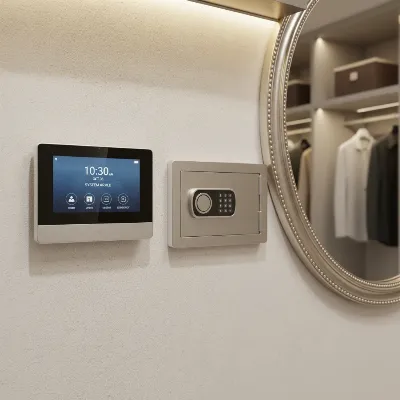 A modern home security control panel next to a discreetly hidden safe box, symbolizing integrated protection.
Conclusion
Successfully hiding a safe box in your closet is an art that combines thoughtful planning, meticulous execution, and a solid understanding of security principles. By choosing the right safe, employing creative concealment techniques like false panels or integrated furniture, and avoiding common mistakes, you can create a secure haven for your valuables that remains virtually undetectable. Remember, the goal is not just to secure items, but to make them so inconspicuous that a potential intruder will overlook them entirely, preserving your peace of mind and protecting your most cherished possessions. What creative ways will you use to safeguard your treasures within your closet?
Frequently Asked Questions
What is the most secure way to hide a safe box in a closet?
The most secure way often involves building a false back panel or a hidden floor compartment within your closet. These methods embed the safe box into the structure, making it extremely difficult to find and remove, especially when combined with bolting the safe to the frame.
Can I effectively hide a large safe box in a closet?
Hiding a large safe box in a typical closet is challenging due to its size and weight. It’s often more effective for large safes to be integrated into custom-built cabinetry, a dedicated “safe closet” with a hidden door, or a custom-raised floor if ceiling height allows.
Should I bolt my safe box down if I’m trying to hide it?
Absolutely. Bolting your safe box to the floor or wall studs is crucial, even if it’s hidden. A hidden safe that isn’t anchored can still be carried away by determined thieves, negating much of the concealment’s security benefit.
What kind of items are best suited for a hidden safe box?
Hidden safe boxes are ideal for small, highly valuable, or irreplaceable items such as important documents (passports, deeds), jewelry, cash, small firearms, external hard drives, or sentimental heirlooms. Their concealed nature provides an extra layer of protection for these critical items.
How often should I access my hidden safe box?
Access frequency depends on the items stored. For highly sensitive documents or emergency cash, infrequent access is fine. For items you might need more often, choose a hiding spot that allows for relatively easy, yet still discreet, access to avoid disrupting the concealment repeatedly.
Are there professional services that specialize in safe box concealment?
Yes, some specialized carpentry and security companies offer services for custom Safe Box installation and concealment, including building false walls, hidden compartments, or integrating safes into custom furniture. These professionals can ensure a seamless and highly secure installation.
Does the type of closet impact my ability to hide a safe box?
Yes, the type of closet significantly impacts hiding options. Walk-in closets offer more space for elaborate solutions like false walls or custom cabinetry. Smaller reach-in closets may be better suited for wall-mounted safes, drawer safes, or clever disguises using existing clutter.